
A new dessert trend is turning café menus purple across South Korea—and it’s called ube.
Originally a staple ingredient in Filipino cuisine, ube is a naturally purple yam known for its mild sweetness and creamy texture. Today, it is quickly gaining popularity worldwide, and cafés in major Korean cities such as Seoul are beginning to add ube-based drinks and desserts to their menus.
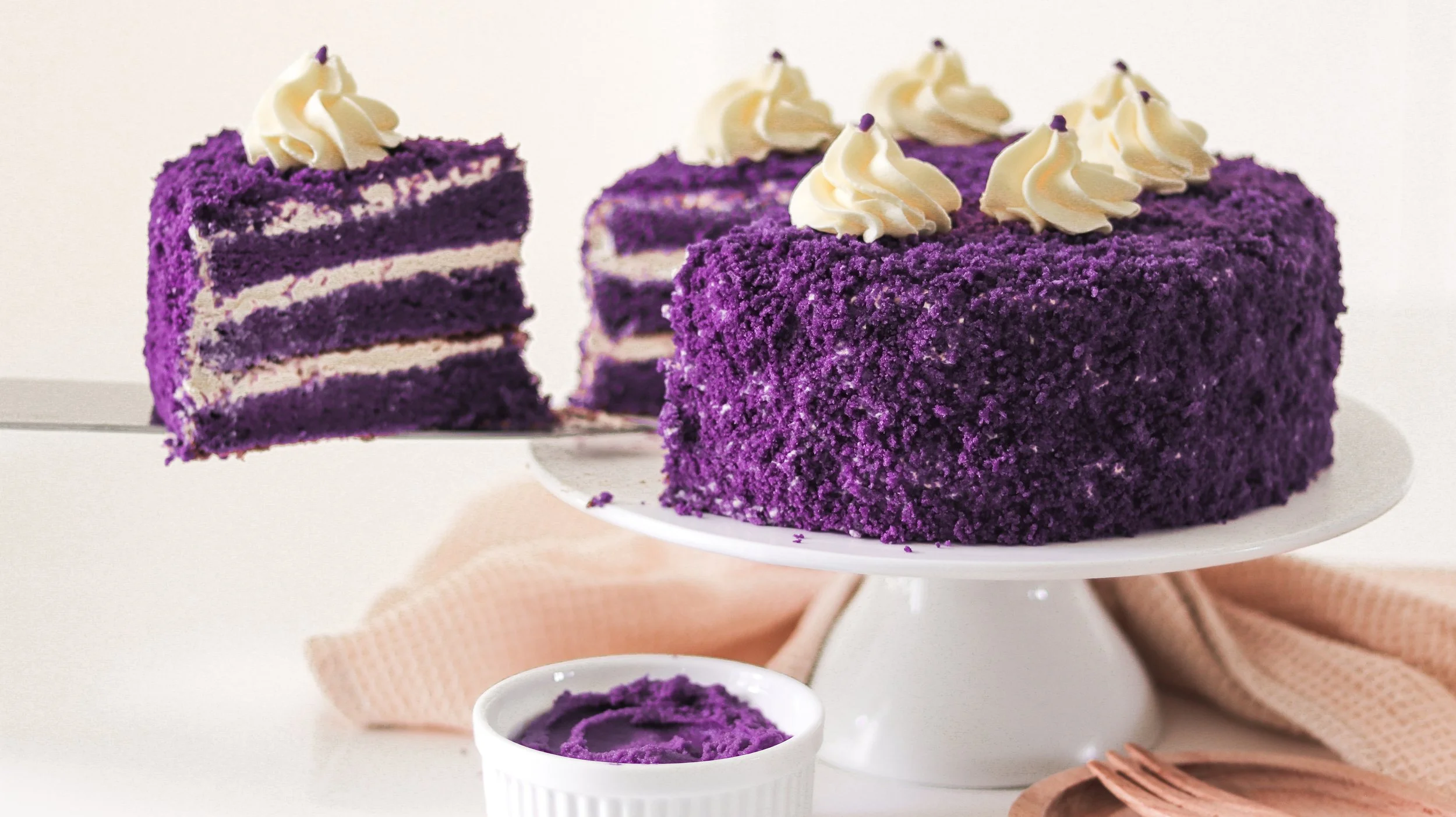
One reason behind ube’s rising popularity is its eye-catching color. Social media platforms like Instagram and TikTok have helped spread the trend globally, as visually striking desserts often attract attention online. Café brands are increasingly introducing limited-time purple menu items—including ube lattes, shakes, and pastries—to match customer demand for photogenic treats.
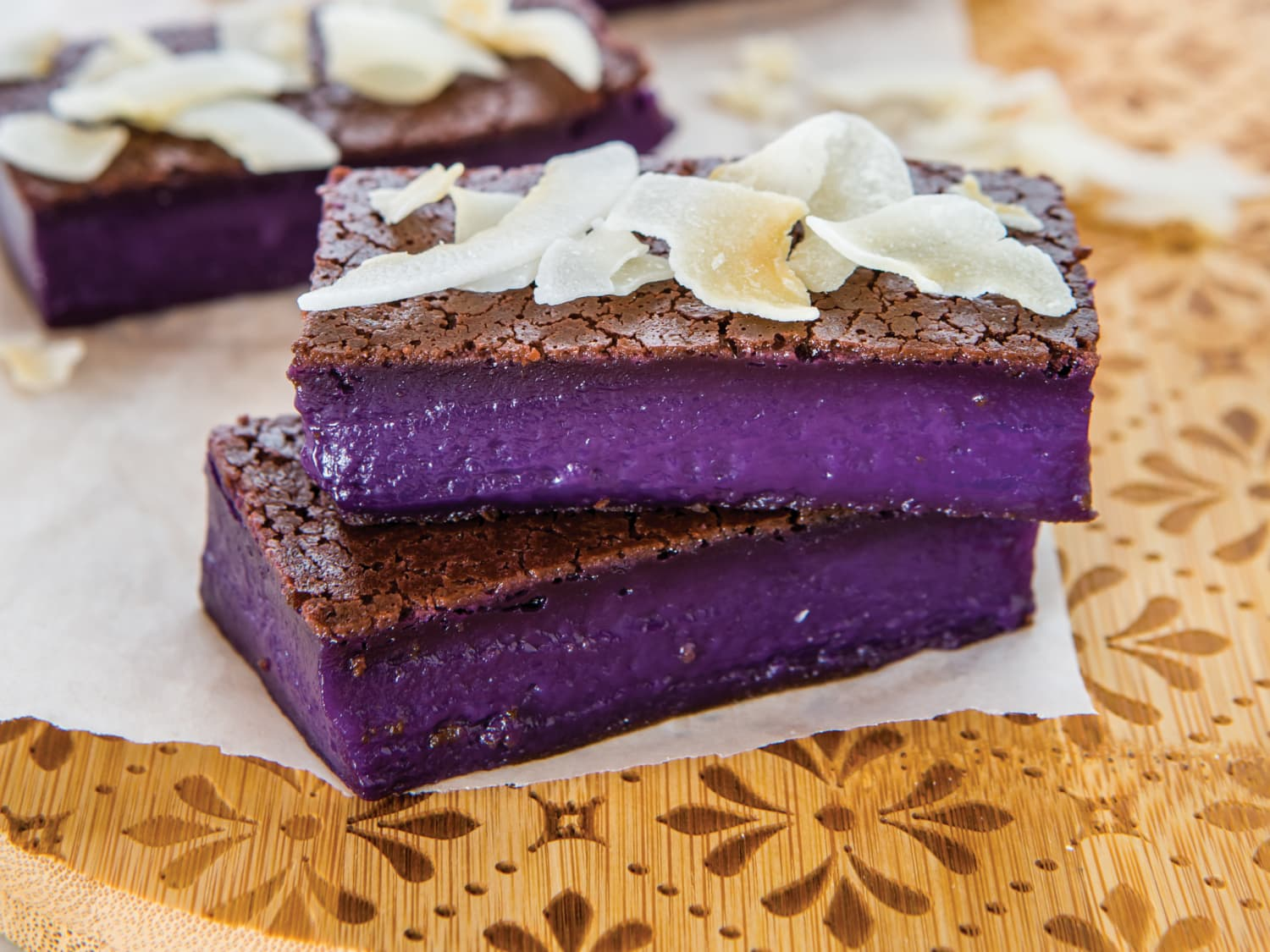
But ube isn’t just popular because it looks beautiful. Its flavor is often described as gently sweet with nutty and vanilla-like notes, making it suitable for cakes, drinks, cookies, and ice cream. Because of this versatility, it has quickly moved from being a niche ingredient to a mainstream dessert flavor across many countries.
Food trend analysts even predict that ube could follow a similar path to matcha, which once dominated café menus worldwide before becoming a long-term favorite rather than a short-term trend. Research has shown that interest in ube-flavored beverages and desserts continues to grow steadily, especially among younger consumers who enjoy visually unique café experiences.
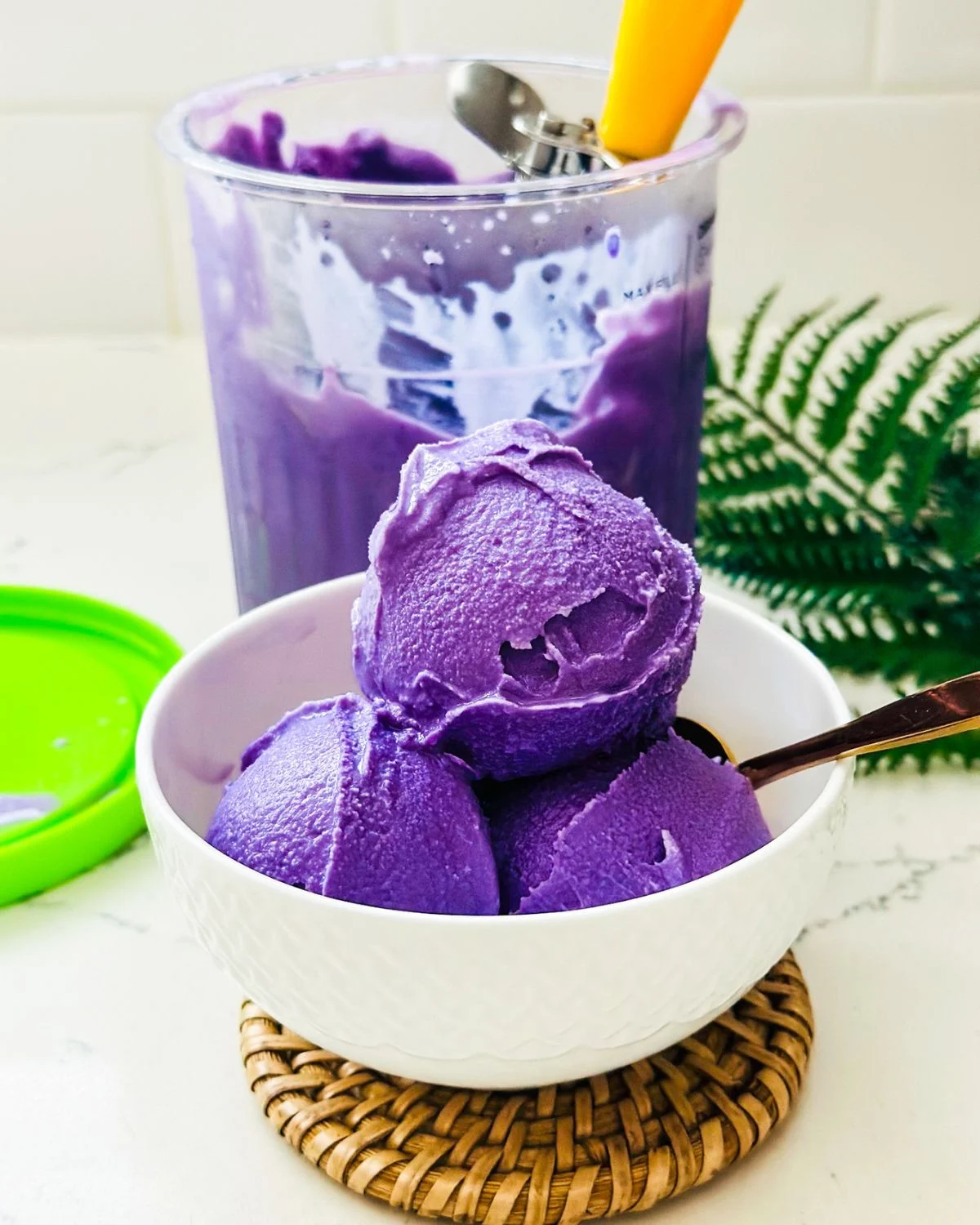
In South Korea, the purple dessert movement reflects a larger shift toward aesthetic café culture. Many customers now choose desserts not only for taste but also for their visual appeal and shareability online. Ube fits perfectly into this trend because it offers both a distinctive color and a pleasant flavor.
As more cafés experiment with seasonal purple menus, ube desserts are becoming easier to find across Seoul. From creamy lattes to soft cakes and sweet pastries, the variety continues to expand.
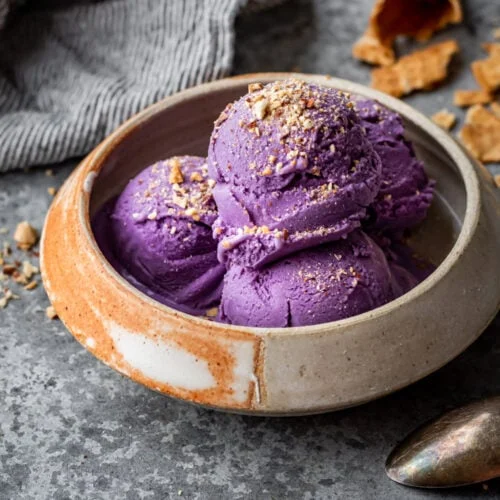
For visitors and locals alike, the growing ube trend is a reminder that café culture in South Korea is constantly evolving—and sometimes, the next big flavor arrives in the brightest shade of purple.