
A quiet but meaningful change has taken place in Seoul, as the historic Hongneung Arboretum—long known primarily as a forest research site—has officially opened for broader public access starting March 28, 2026.
Located in Dongdaemun District, the forest has served as a major center for forestry research since 1922, making it one of Korea’s earliest and most historically significant arboretum-style research forests. For decades, access to the site was limited and typically restricted to weekend visits only, requiring advance reservations for entry.
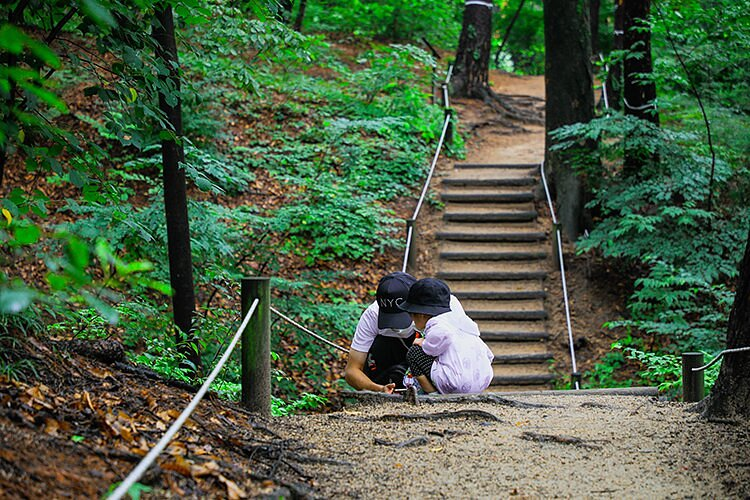
With the new policy change, visitors can now enter the forest on weekdays without reservations, marking a major shift toward making the space more accessible to residents and travelers seeking nature experiences within the city.
Often described as one of Seoul’s most peaceful green spaces, the forest preserves over a century of ecological history while remaining relatively less crowded compared with more widely known urban parks. The expanded opening reflects efforts to increase public engagement with natural heritage spaces while encouraging outdoor recreation in the capital.
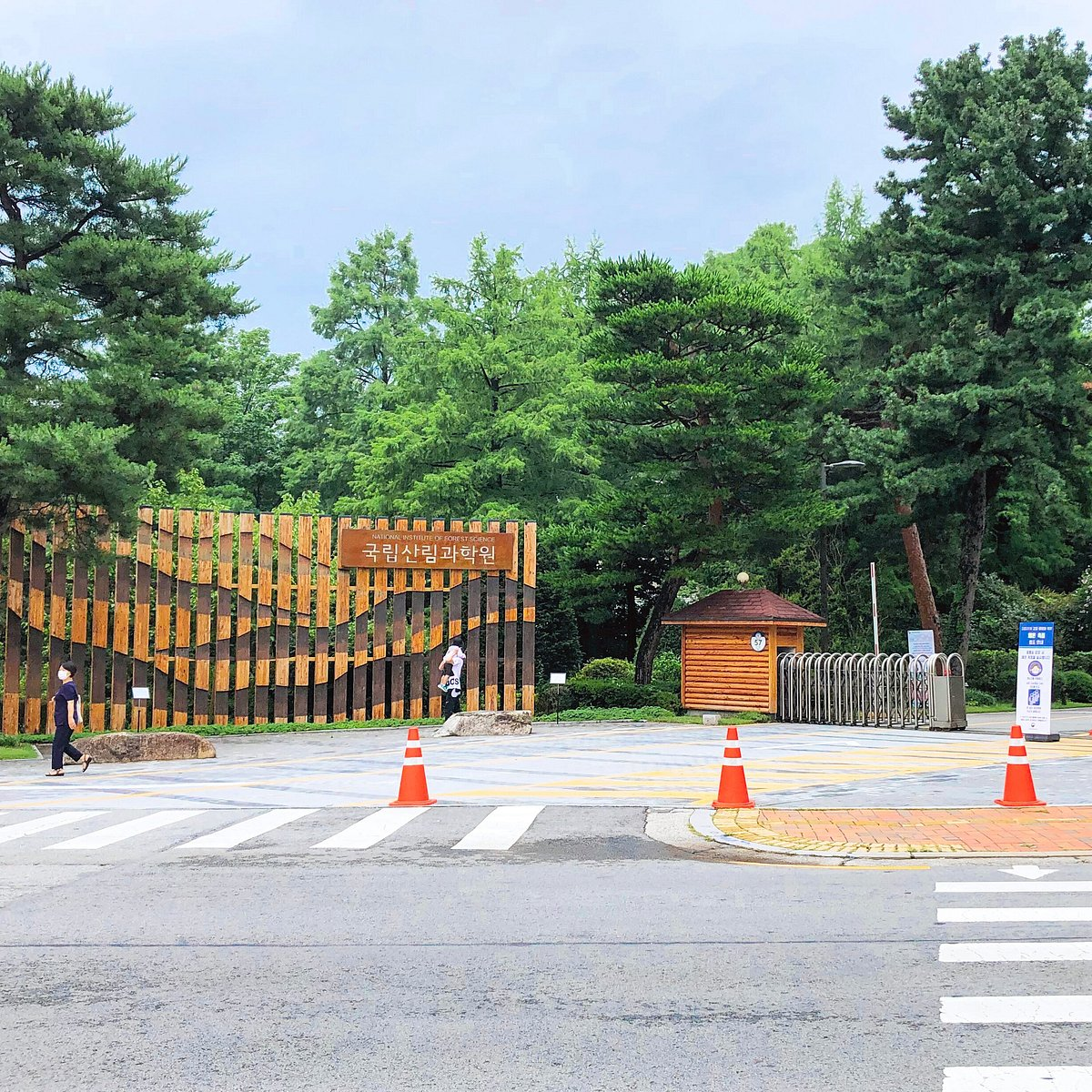
Spring is considered one of the best seasons to visit the arboretum. During this time, visitors can see seasonal blossoms including Prunus yedoensis (왕벚나무), Magnolia kobus (목련), Forsythia koreana (개나리), and Cornus officinalis (산수유), offering visitors a chance to experience early spring color in a quieter setting than many central blossom destinations.
The site remains closed every Monday as part of its regular maintenance schedule, but otherwise welcomes visitors throughout the week. Officials expect the expanded access to encourage more people to explore the forest’s educational value and ecological significance while enjoying a rare opportunity to walk through a protected woodland environment in the middle of a major metropolitan area.
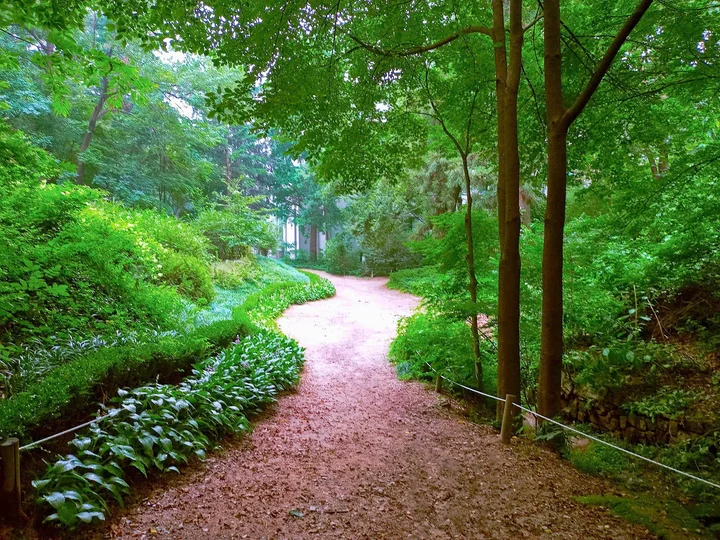
With its combination of historical importance, seasonal scenery and newly expanded accessibility, Hongneung Arboretum is emerging as one of Seoul’s most appealing yet still under-recognized destinations for springtime nature walks.