
K-pop has always taken storytelling seriously — the layered music videos, the fictional universes, the lore that fans spend months decoding. What changed recently is who's doing the writing. Labels are hiring actual novelists and poets now, and the results are starting to feel less like a marketing move and more like something genuinely interesting.
When EXO released its eighth album "REVERXE" in January, the package included a short story called "EX-VISION," written by novelist Lee Hee-joo, whose fiction frequently draws on K-pop fan culture. The story placed the members in everyday scenes — Sehun and Chanyeol preparing food, D.O. handling the music, Lay and Suho arriving with a birthday cake — while weaving in references to EXO's long-running lore: the tree of life, the red force, the full lunar eclipse.
Lee described the experience as familiar in method, unusual in audience. "When I work on my own novels, my personal style matters a lot, but for the EXO story, I made sure to weave in the group's existing lore and its fans," she said. "The writing process was pretty much the same, but it was cool knowing exactly who the readers would be. EXO fans loved it, so I'm very satisfied."
SM Entertainment was direct about the reasoning. The company said it chose the collaboration to add narrative depth to EXO's identity and expand the content surrounding them — specifically connecting the album's "reverse" concept to a new turning point in the group's universe. It was planned from the beginning as a storytelling exercise, not an afterthought.
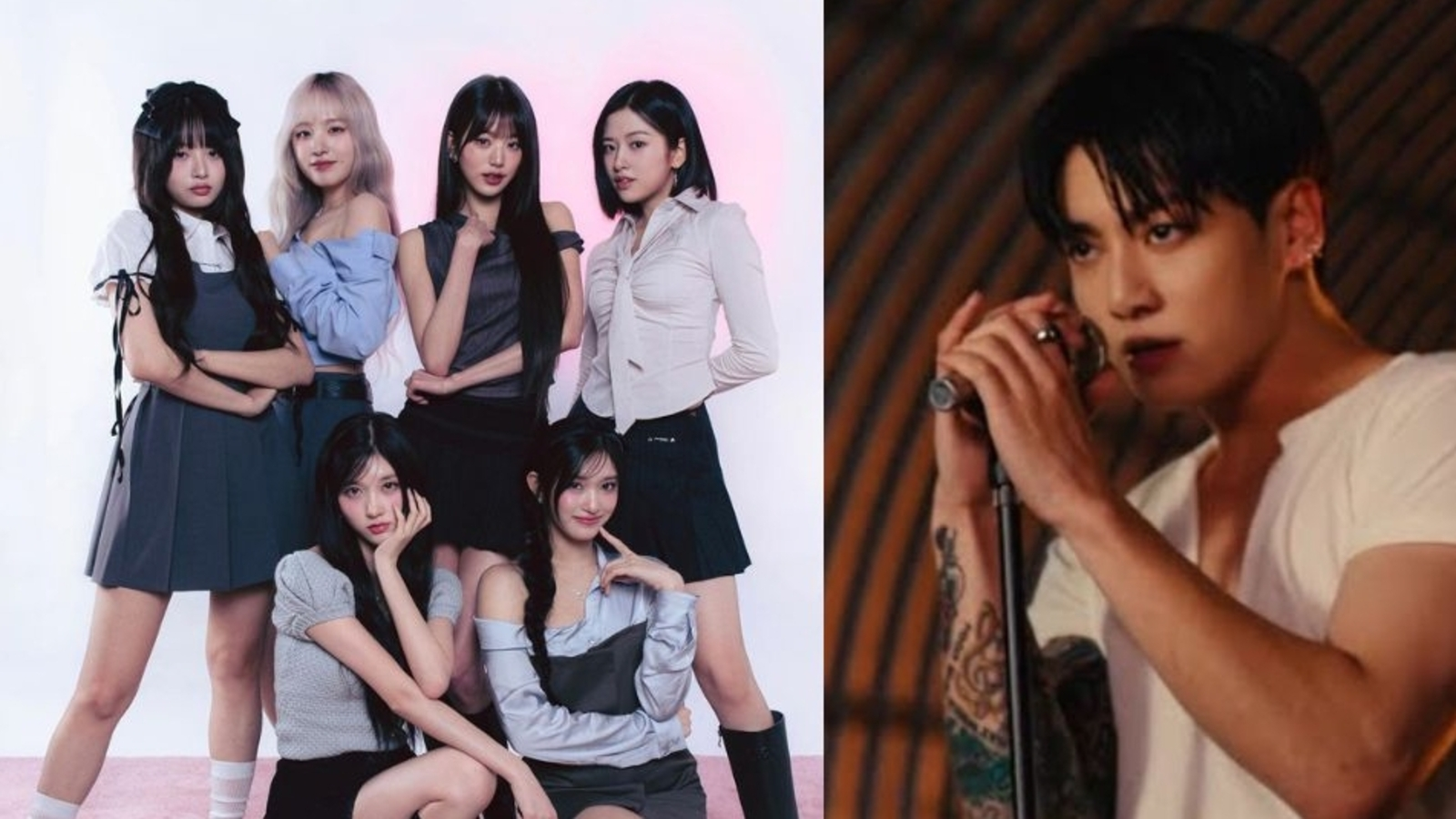
EXO is far from the only group doing this. Red Velvet's Joy brought in poet Cha Jeong-eun to write a passage for a teaser image accompanying her mini album. Rookie group KiiiKiii invited novelist Lee Sull-a to write lyrics for its debut album, then published a new short story she wrote specifically inspired by the group on their official website. Le Sserafim commissioned sci-fi author Kim Cho-yeop to write the prologue for its mini album "ANTIFRAGILE." IVE collaborated with novelist Chung Se-rang on the narration for its summer project in 2022.

Music critic Lim Hee-yun sees the pattern clearly. "K-pop groups are constantly seeking to develop their storylines but often have limited opportunities to do so. Now they've found room to collaborate with writers to build up narratives around them — and I think this trend will continue."
Lee Sull-a described her own brief from KiiiKiii as "the rather awkward and challenging writing prompt of 'princess party.'" She turned it into a short story that reads, she wrote on Instagram, "as a fairy tale, a short story, or even a kind of adventurous essay." That's a real writer working with a real brief, not marketing copy dressed up as literature.
For international fans who've suspected that K-pop goes deeper than most people credit it for — this is confirmation. The gap between an album concept and a literary universe is narrowing, and the writers coming into this space aren't treating it as a side gig. They're treating it as the work.