Newly reviewed records are shedding more light on the night at the center of a sexual assault case involving former Cornell University student Jane Doe and members of the Chi Phi fraternity.
Jane Doe has alleged that she was drugged and sexually assaulted by multiple fraternity members during a party in October 2024. She later filed a civil lawsuit against seven former Chi Phi members, Cornell University and other parties. The men named in the lawsuit have denied the allegations.
Fraternity members gave investigators accounts that differed significantly from Doe's allegations. Some described the sexual activity as consensual, while one fraternity member, Matthew Ingalls, told investigators he had been heavily intoxicated and was unable to consent. He also alleged that Doe had sexually assaulted him, a claim she disputes.
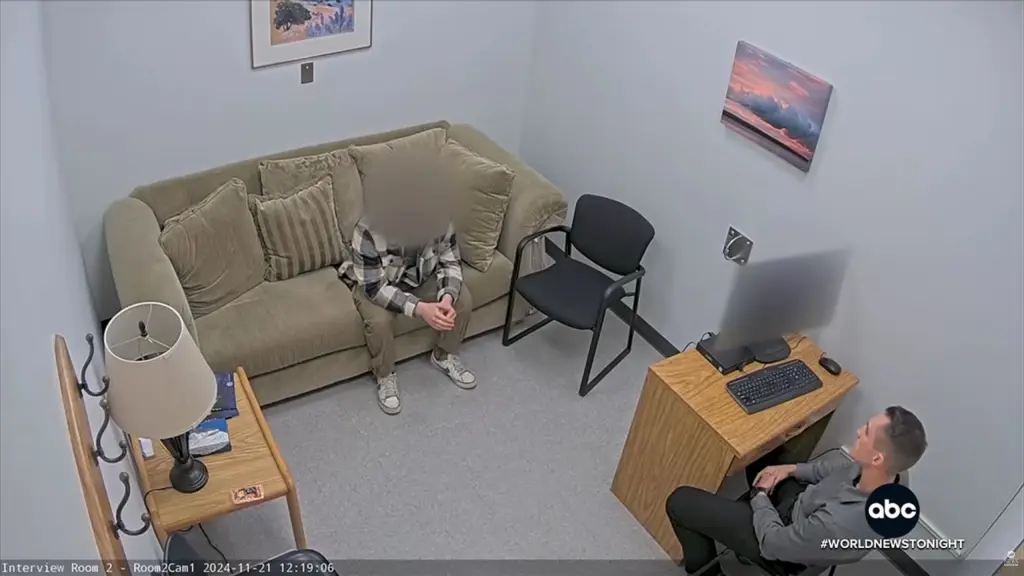
Other records indicate fraternity members were concerned about the potential impact of the allegations on their reputations. An anonymous tip to Cornell police claimed fraternity leadership had asked a potential witness to remain quiet because the incident could damage the reputation of those involved and the fraternity. Another student told investigators that fraternity members described the encounter as a “consensual orgy,” while also worrying about how it could affect the fraternity's image.
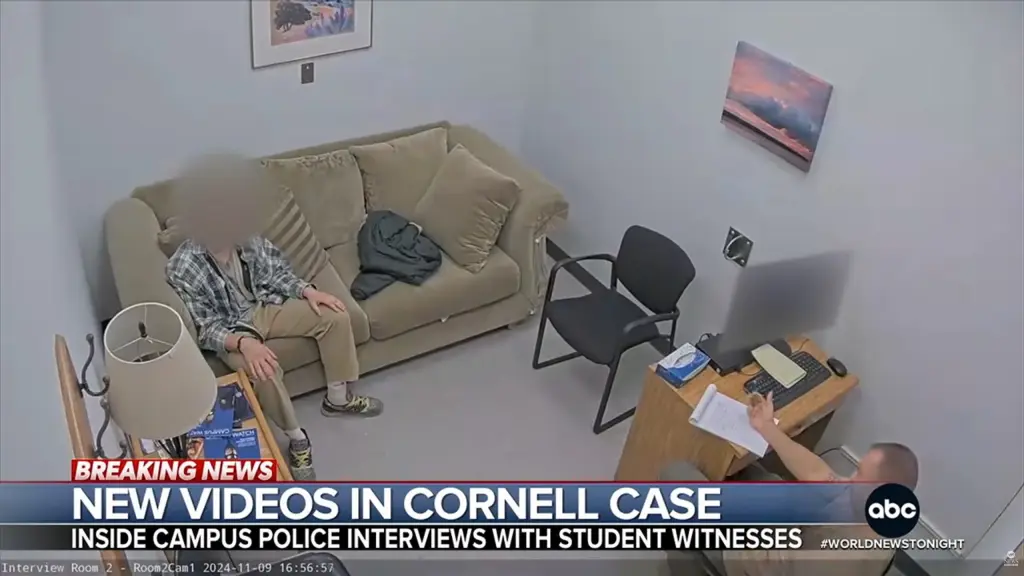
Doe's account later became much clearer in her conversations with investigators. According to a transcript reviewed by CBS News, she told Cornell police that she could say with confidence that she had been raped and described being too intoxicated to make decisions. She has said the sexual activity that occurred later in the night was not consensual.
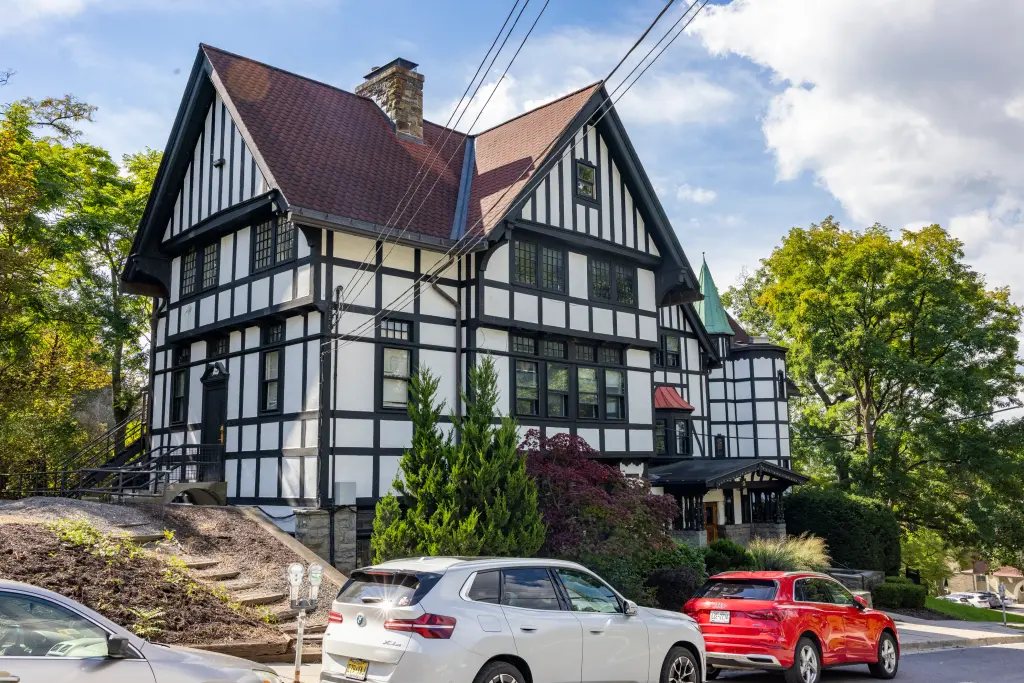
The case has since been reopened after renewed scrutiny. New York Gov. Kathy Hochul appointed Attorney General Letitia James as a special prosecutor, while Cornell has hired former Deputy U.S. Attorney General Sally Yates to independently review how the university handled the allegations.
The allegations remain disputed, and the investigation is ongoing.