A devastating flash flood has struck the China-Nepal border, killing at least 95 people and leaving hundreds of others missing as rescue teams race to find survivors.
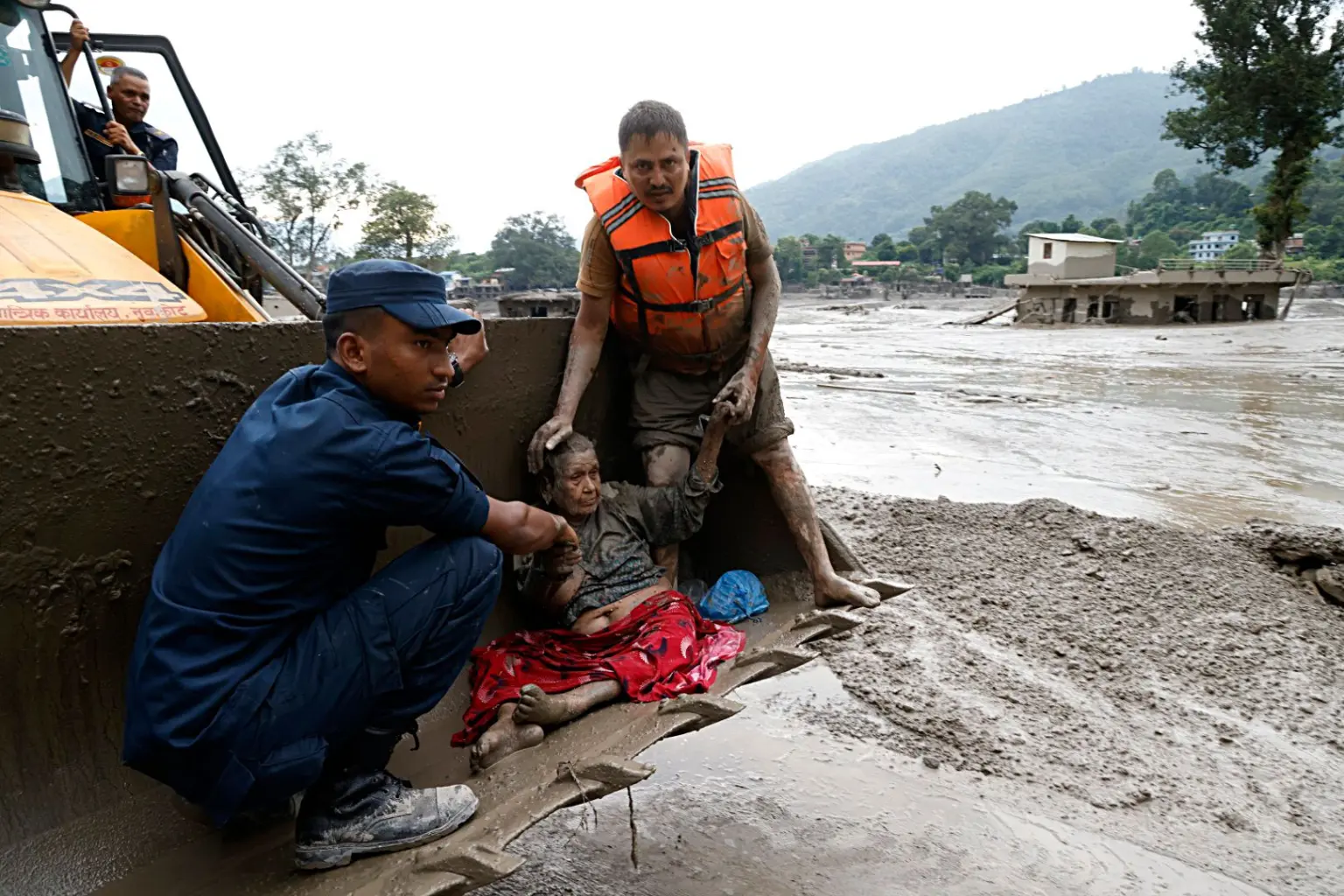
The disaster struck on Wednesday, August 26, in Nepal's Rasuwa district near the border with Tibet. A sudden surge of water swept through the region, destroying homes, roads, bridges and other infrastructure.
Authorities said at least 95 people had died, while more than 380 people were reported missing. Many of those missing are foreign travelers who were in the region at the time of the disaster.
The Nepal Tourism Board said 384 people were initially listed as missing, including 291 foreign nationals and 93 Nepali citizens. Among the foreign nationals were tourists from India, the United States, Britain, Malaysia, Australia, South Africa and other countries.
The disaster has raised particular concern because many of the missing foreigners were traveling through the area as part of pilgrimages and tours.
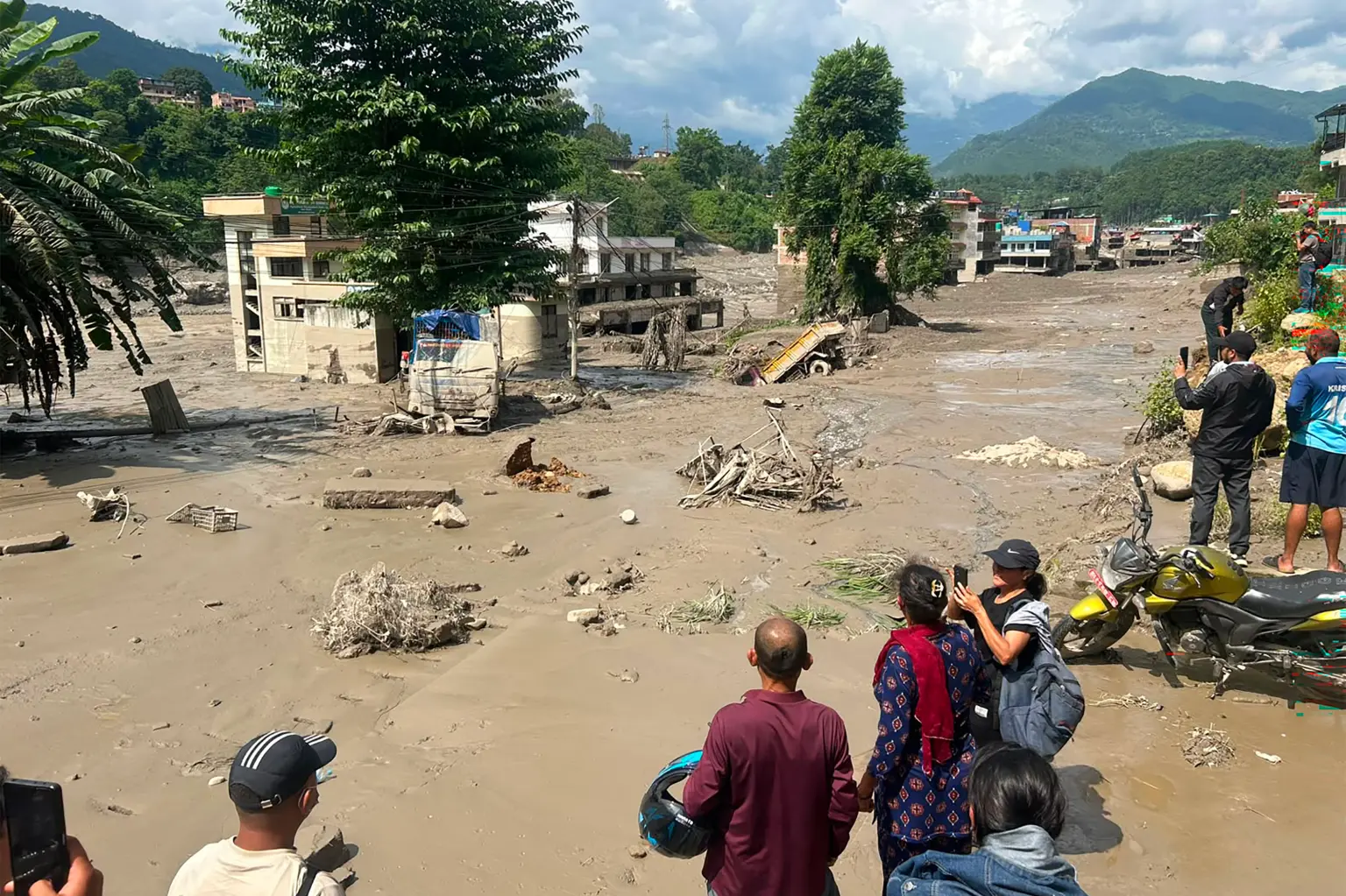
Reports said more than 100 Indian nationals were among those missing, with many believed to have been traveling toward Mount Kailash, a major pilgrimage destination in Tibet. Three American tourists were also reported missing.
The flooding was especially destructive because the rushing water carried huge amounts of mud and debris through mountain communities.
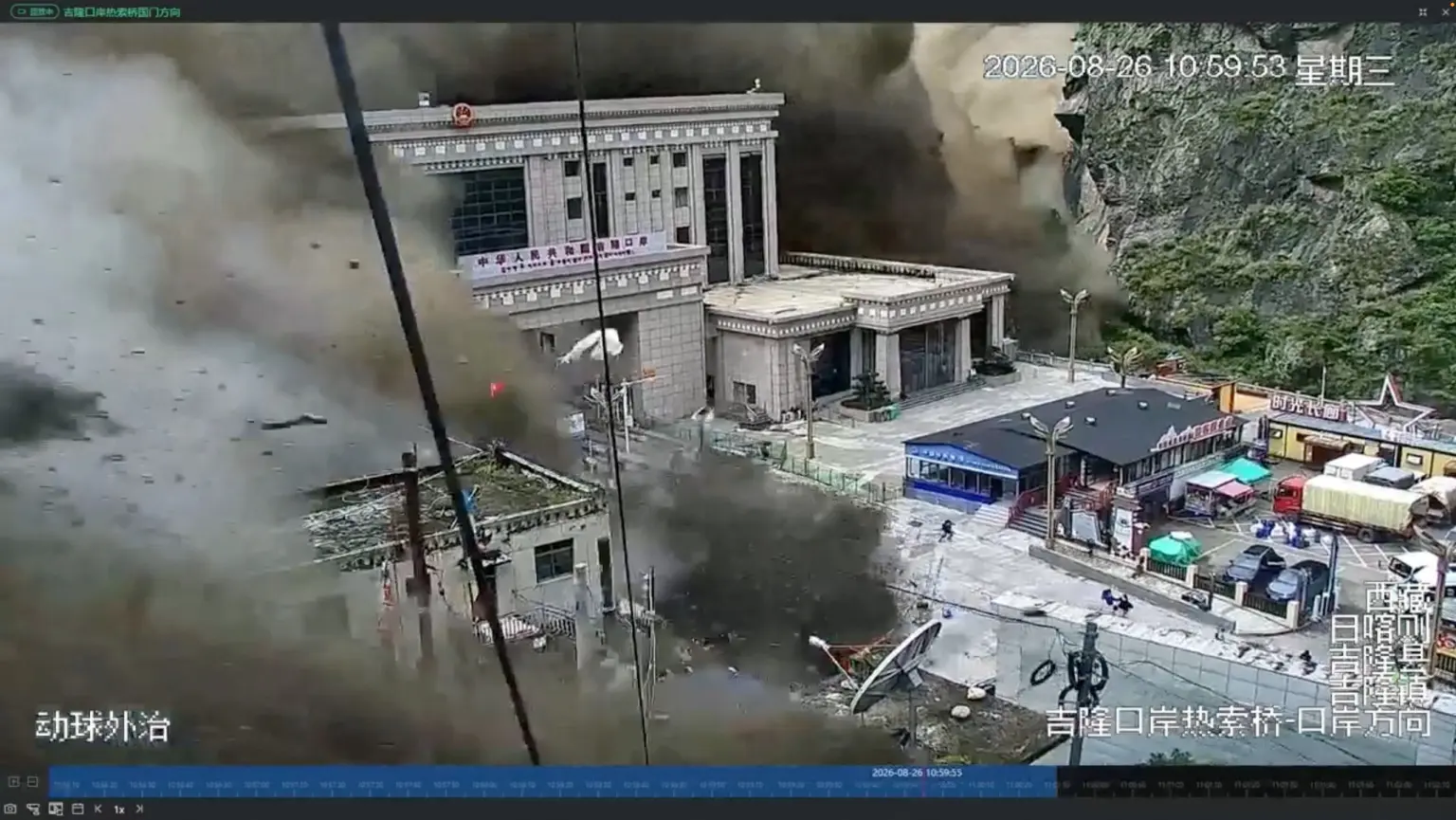
Dramatic footage from the area showed torrents of water sweeping through roads and settlements, carrying vehicles and destroying buildings. Bridges and power infrastructure were also badly damaged, making it difficult for rescue teams to reach some areas.
Officials believe an earthquake may have triggered an avalanche or landslide that caused the sudden surge of water. A magnitude 4.4 earthquake was recorded in the region shortly before the disaster, although authorities were still investigating exactly what caused the flooding.
Rescue operations are now underway on both sides of the border.
The Nepalese Army has deployed helicopters and emergency teams to search for survivors and evacuate people trapped by the flooding. Chinese authorities have also launched rescue operations in Tibet after the disaster caused major damage near the Gyirong border area.
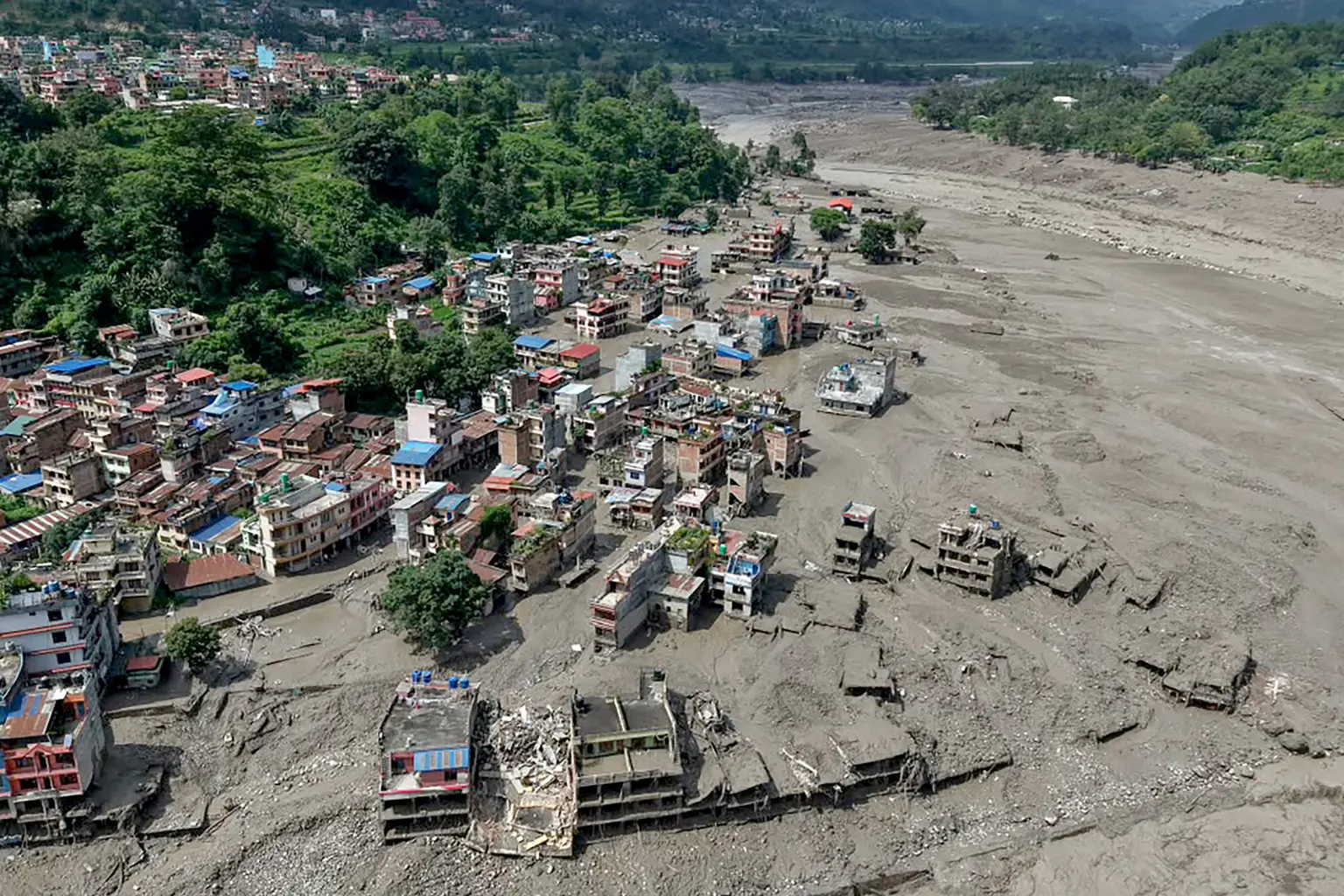
The situation remains extremely dangerous, with authorities warning that additional flooding could occur because of a possible blockage upstream.
Flood alerts have also been issued for areas farther downstream in India, including parts of Uttar Pradesh and Bihar.
As rescue crews continue searching through the devastated region, families across several countries are desperately waiting for information about loved ones who remain missing.
With hundreds still unaccounted for and access to some of the worst-hit areas proving difficult, officials fear the death toll could continue to rise.