
Popular comedian and social media star Laura Clery recently survived what she described as the "most terrifying night of her life" after a massive 600-pound refrigerator fell and pinned her to the ground.

The incident occurred when she rushed to stop the appliance from tipping over after her 7-year-old son, Alfie, began climbing it. Trapped beneath the weight and struggling to breathe, Clery was thankfully able to reach her phone in her pocket to dial 911. It took multiple emergency responders to lift the heavy appliance off her.
While she is now back home recovering, the internet has had mixed reactions to the photo shared from the ambulance, sparking a wider conversation on how content creators document their lives, even during crises.
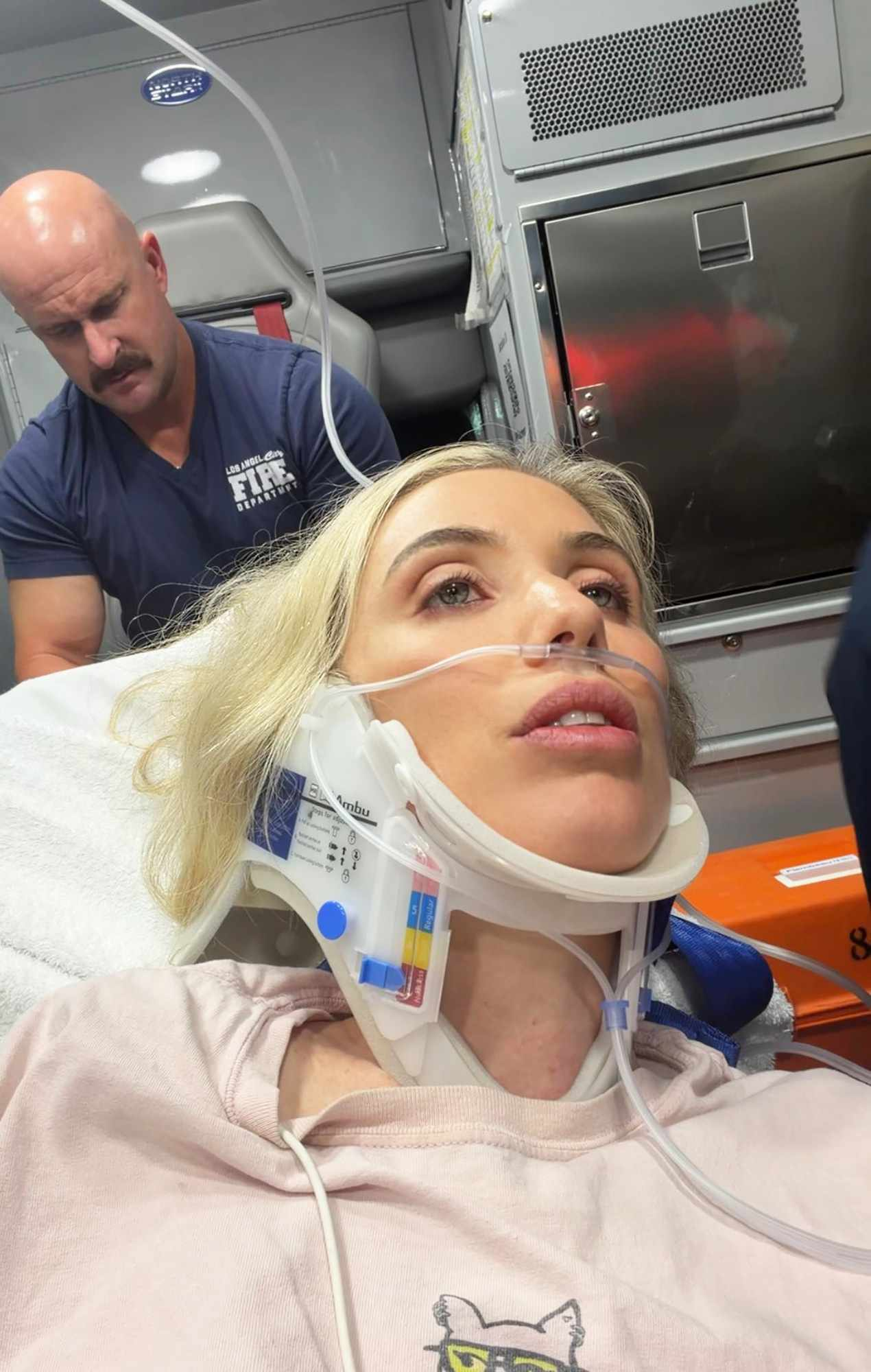
This divide highlights a fascinating cultural shift. For traditional audiences, capturing a moment of extreme physical trauma feels counterintuitive to survival. For modern digital natives and career creators, however, documenting reality is an involuntary reflex—a way to process trauma, maintain authenticity with an audience, and regain control over a narrative. Ultimately, Clery’s terrifying ordeal serves as a stark reminder of home safety hazards, while simultaneously reflecting how the modern internet age handles real-time vulnerability.